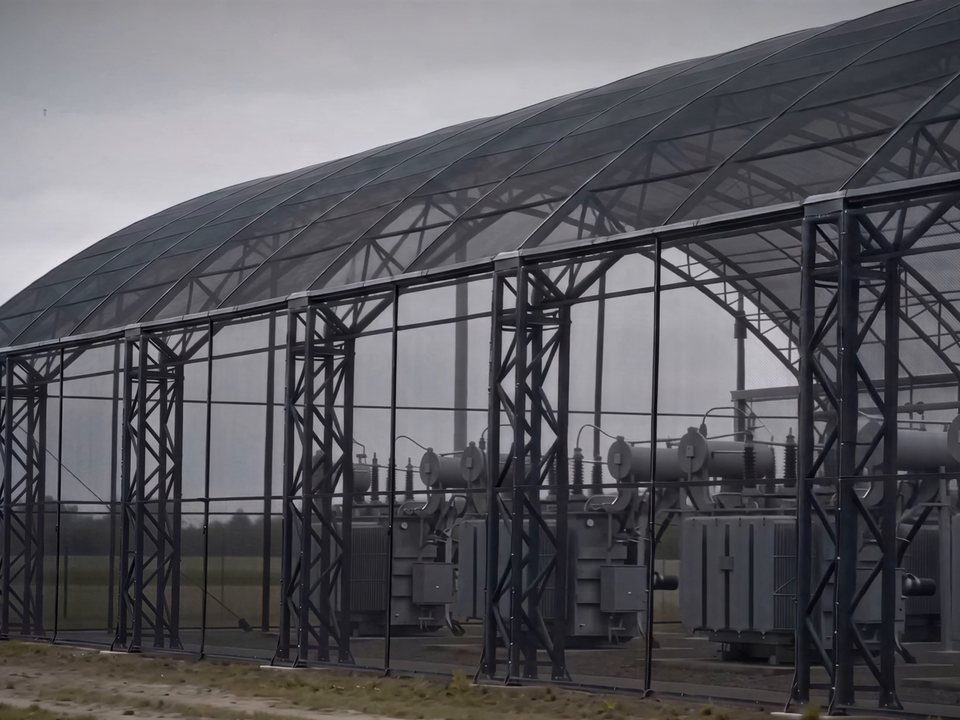
Energy and utilities
Substations, battery storage and pumping stations.
HelixHold Passive C-UAS System
HelixHold protects defence sites, substations, fuel storage and other exposed assets with high-performance netting on a steel frame anchored by screw piles.
The system is designed, manufactured and prepared in advance, so only installation remains when protection is required.
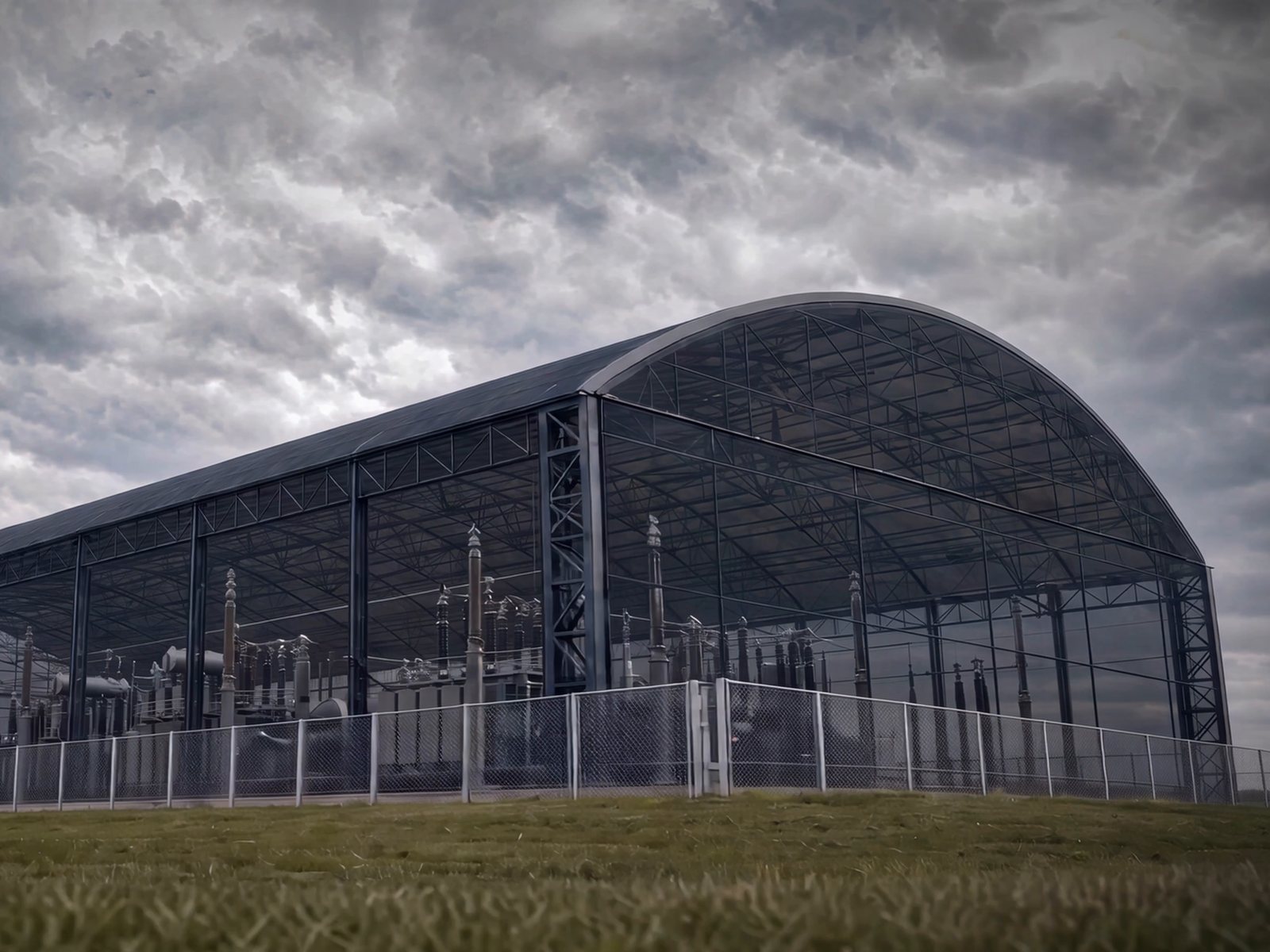
Engineered and supplied from Finland by Paalupiste.
The system
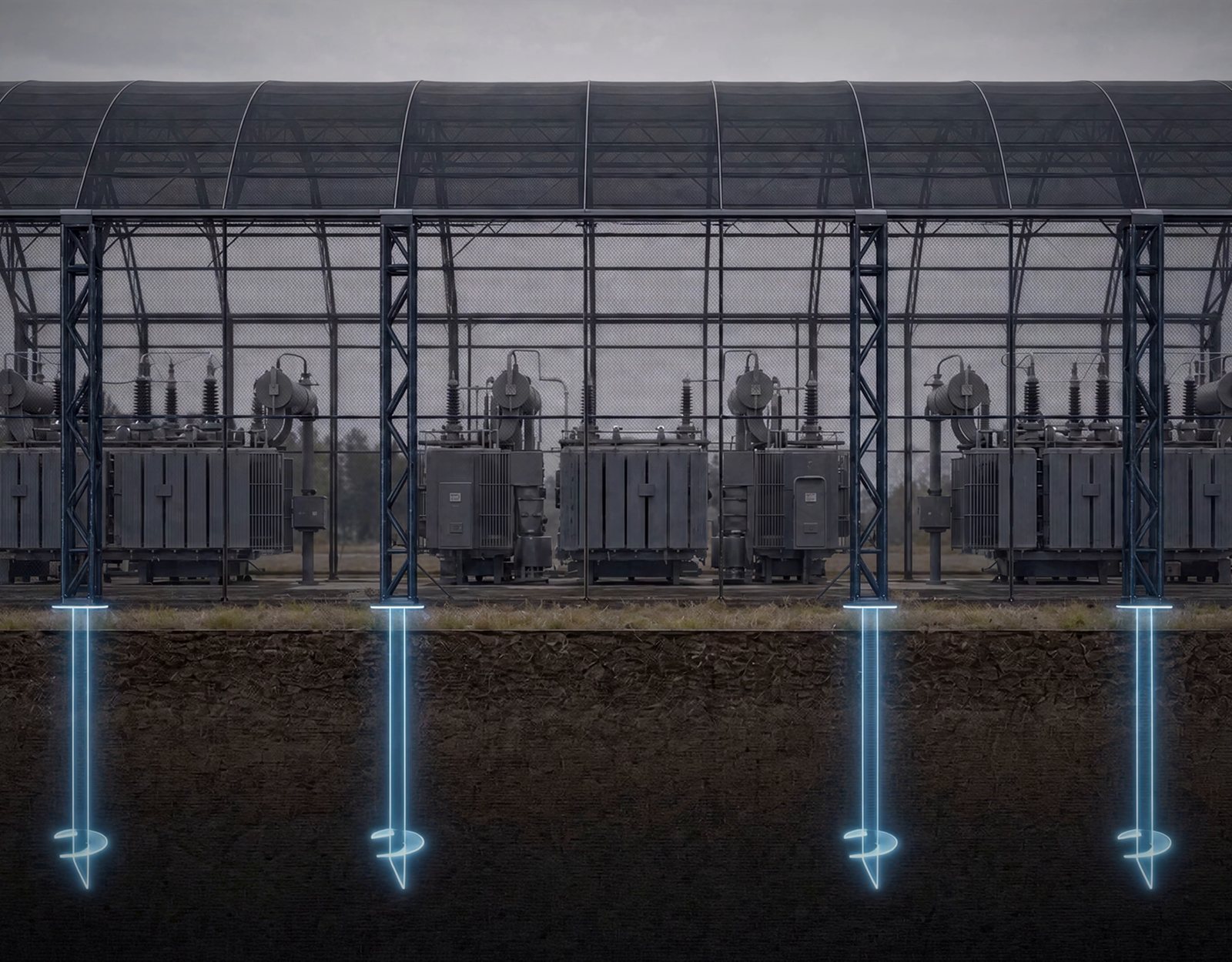 3Protective netting
2Steel frame
1Screw piles
3Protective netting
2Steel frame
1Screw piles
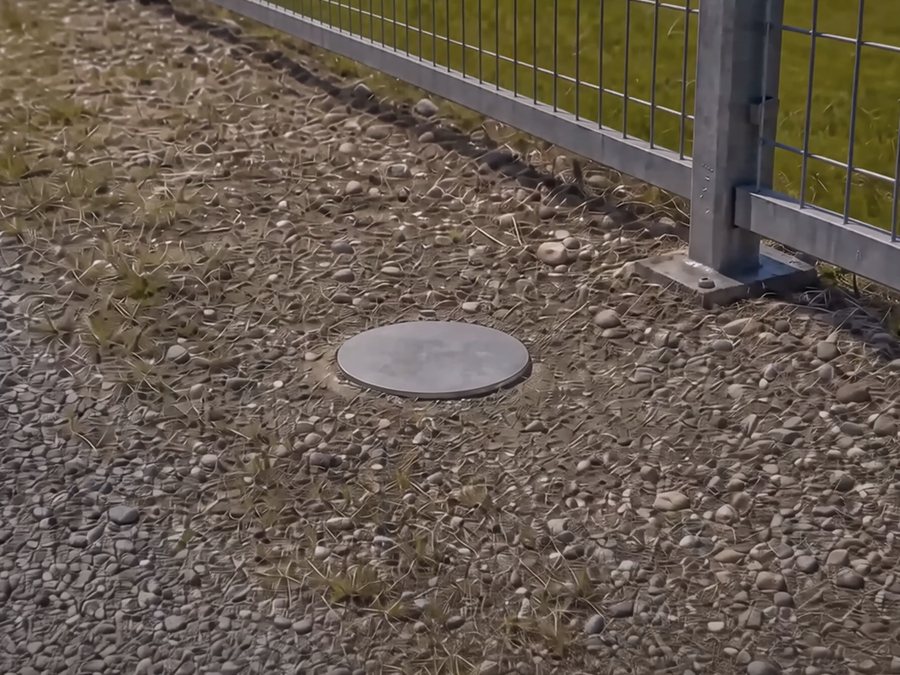
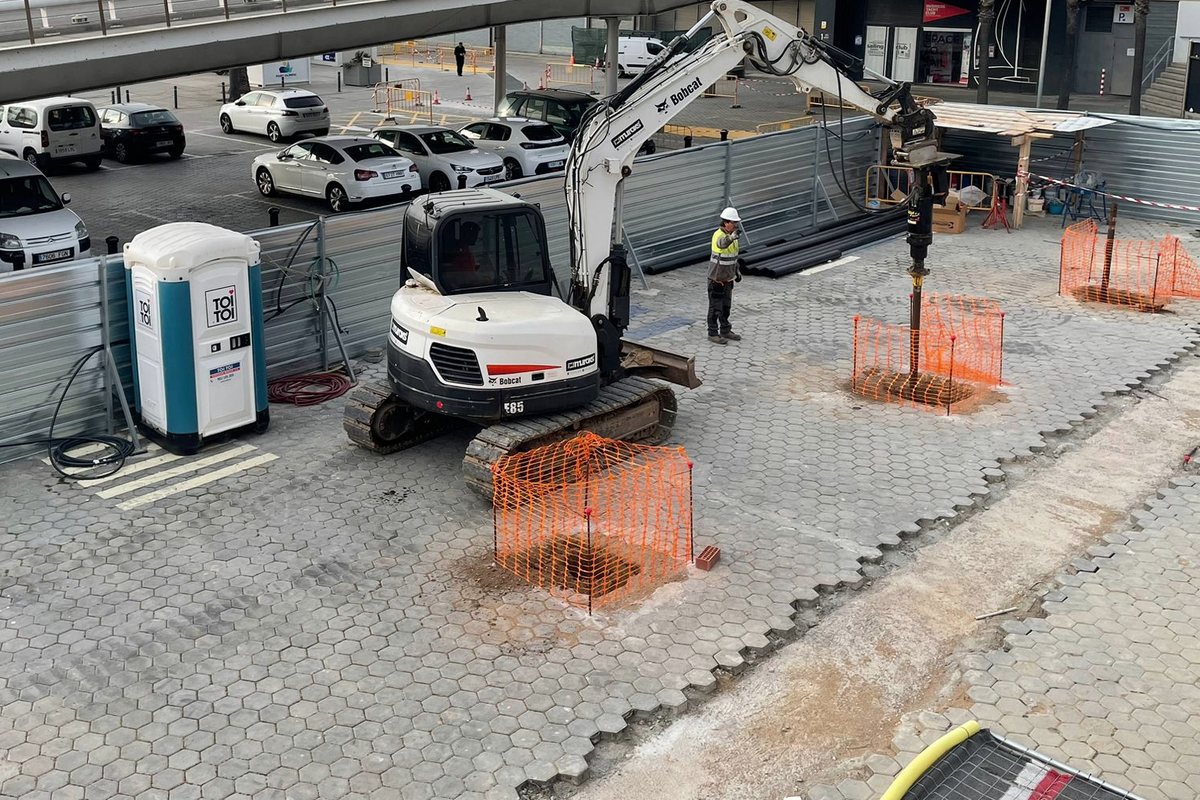
Screw piles anchor the frame and carry both downward loads and uplift. Where ground conditions allow, no excavation or poured concrete is needed.
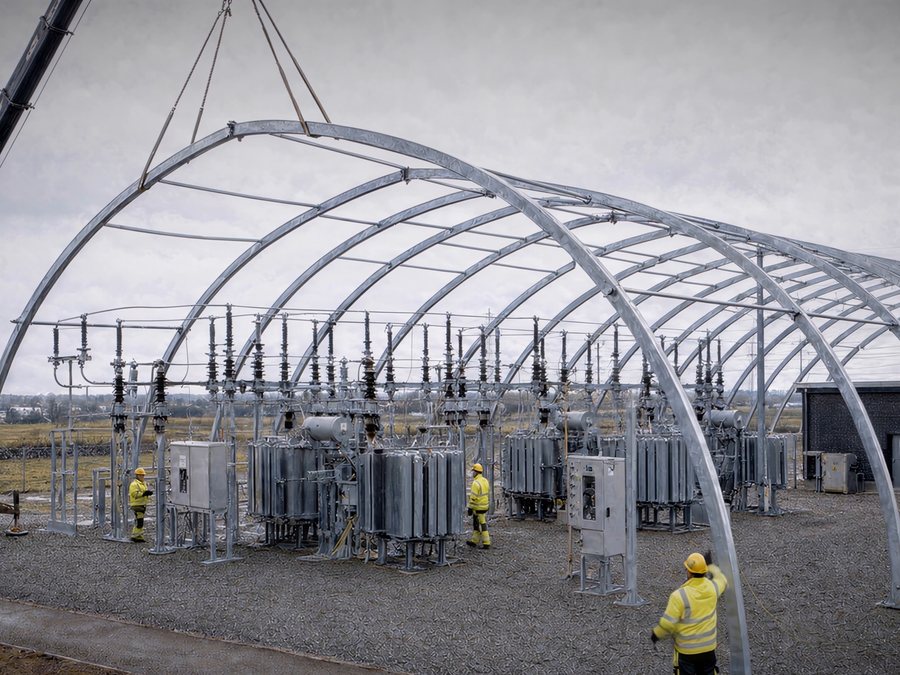
The frame supports the net and carries wind and impact loads to the foundations. It can be built as a canopy or an enclosure, shaped to the asset and the space around it.
The net is specified to intercept a drone before it reaches the protected equipment. Mesh size, tension, the number of net layers and clearance are matched to the threat agreed for the project.
Risk management
Detection and active counter-UAS (C-UAS) measures lower the chance of a drone reaching the asset. They cannot rule it out. HelixHold is the physical barrier for the risk that remains, and it works without power, software or an operator.
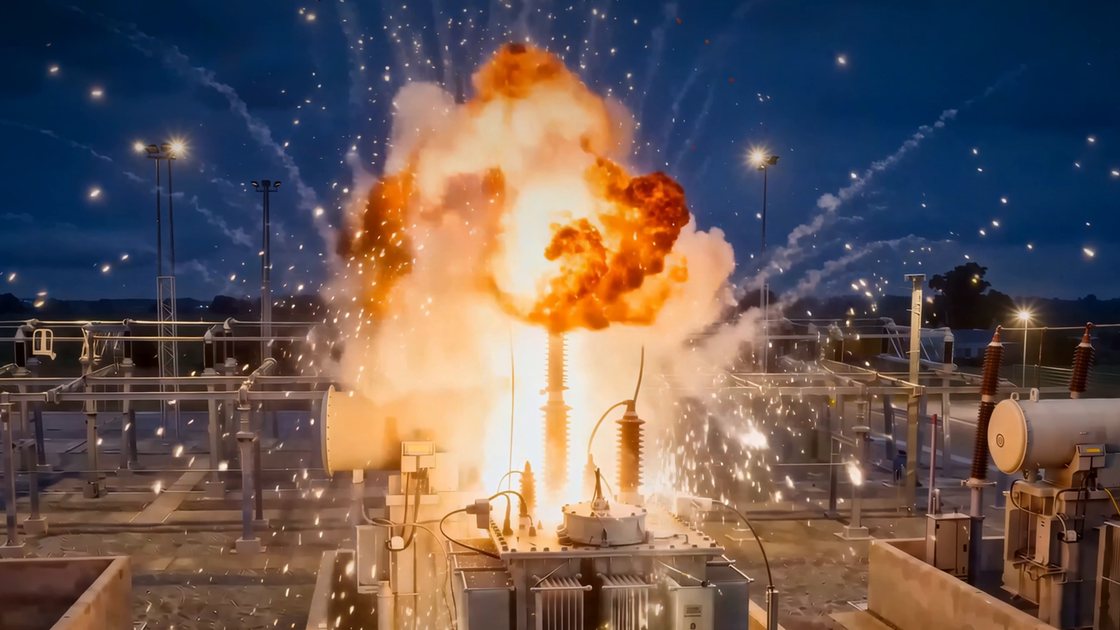 2:18
Watch the concept filmHow HelixHold is prepared, installed and used
2:18
Watch the concept filmHow HelixHold is prepared, installed and used
Preparation
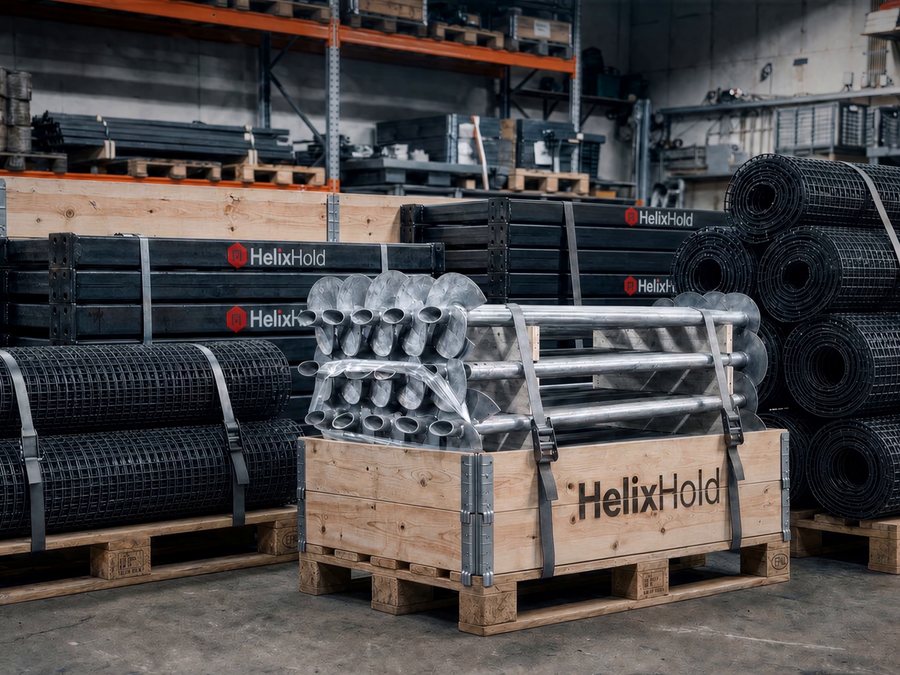
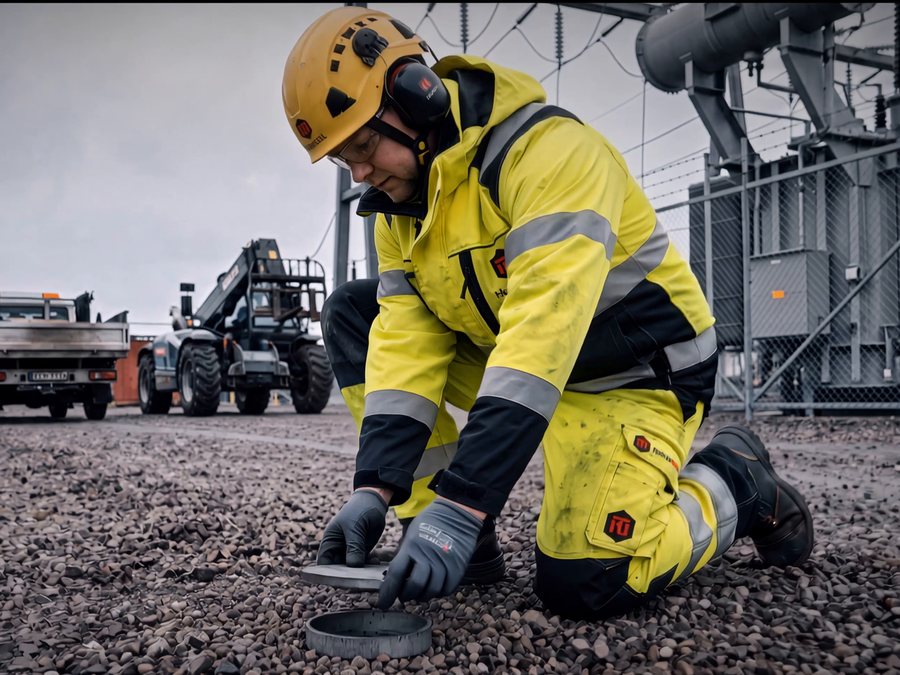
The system is designed for the site, and the frame and netting are manufactured and stored in advance. Where ground conditions allow, the screw piles are installed and capped while the site stays in use.
When protection is required, only installation remains. The site can prepare for a higher threat level without keeping the full structure in place every day. The same system can also be installed straight away.
In advance
When needed
Impact test
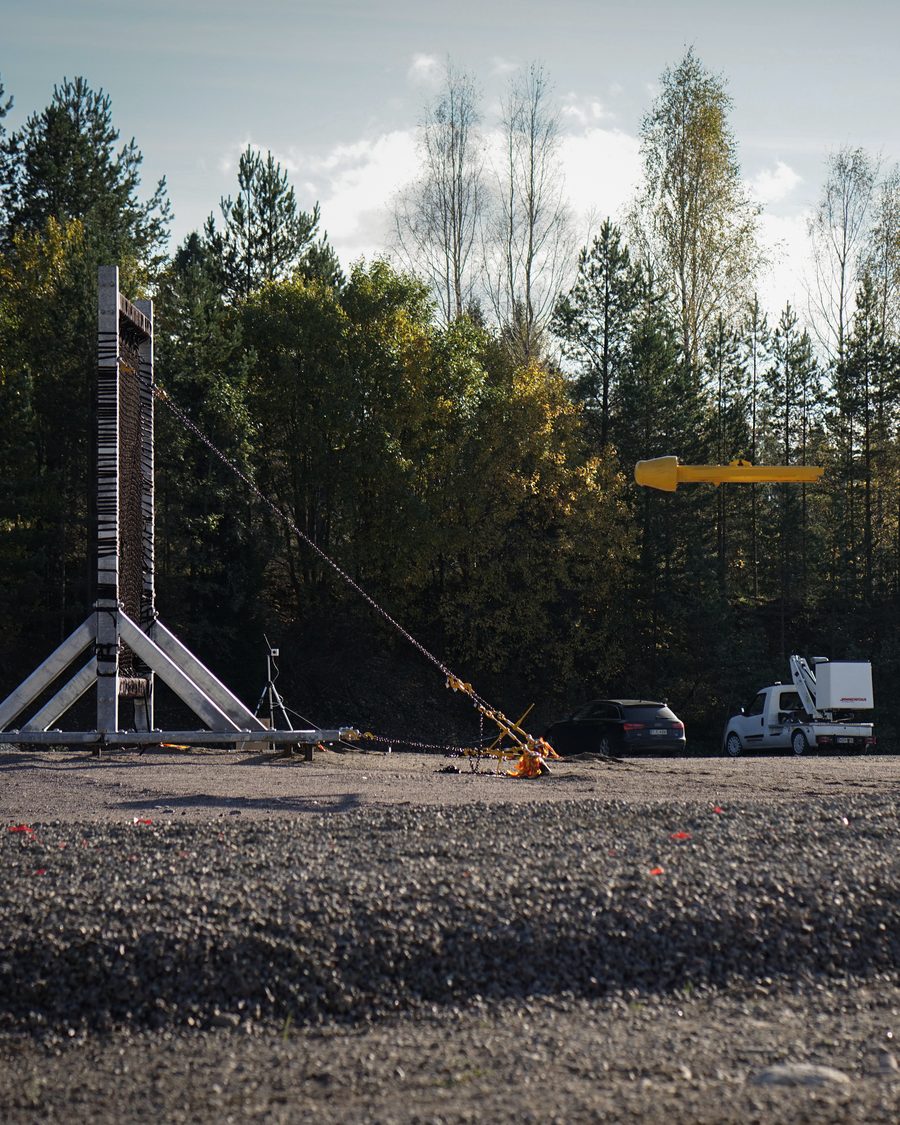
A Shahed-class drone mock-up is launched into a net panel on a steel test frame. The test round used high impact loads. In the footage, the net catches the mock-up and holds it.
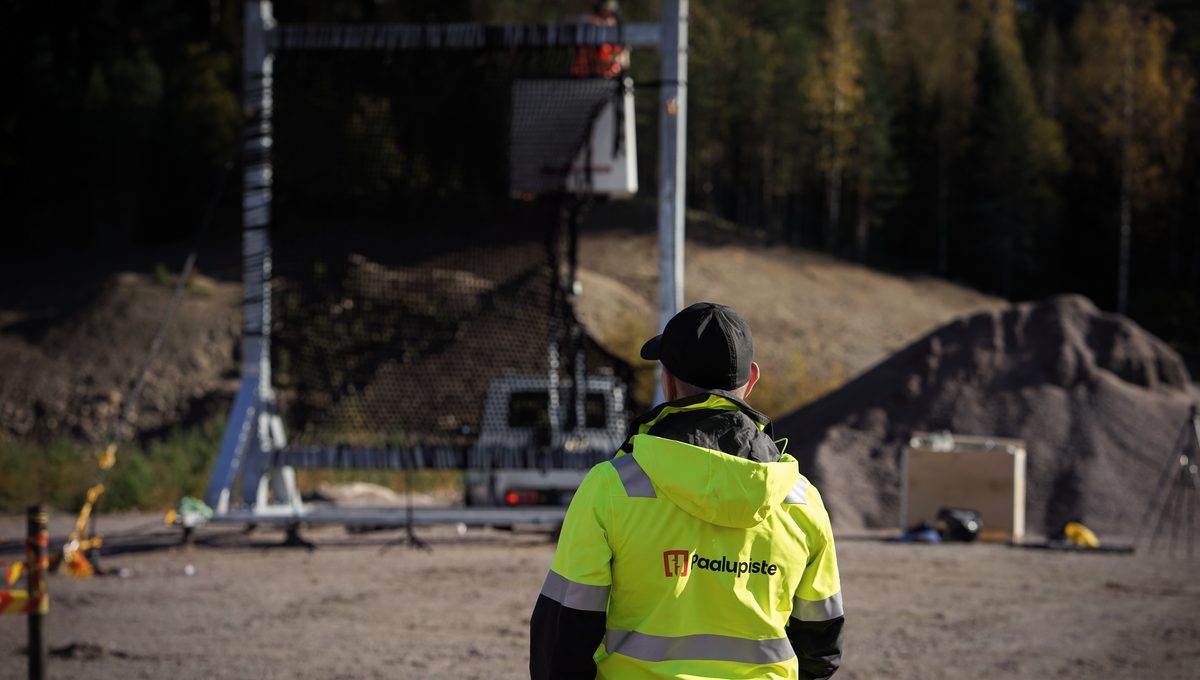
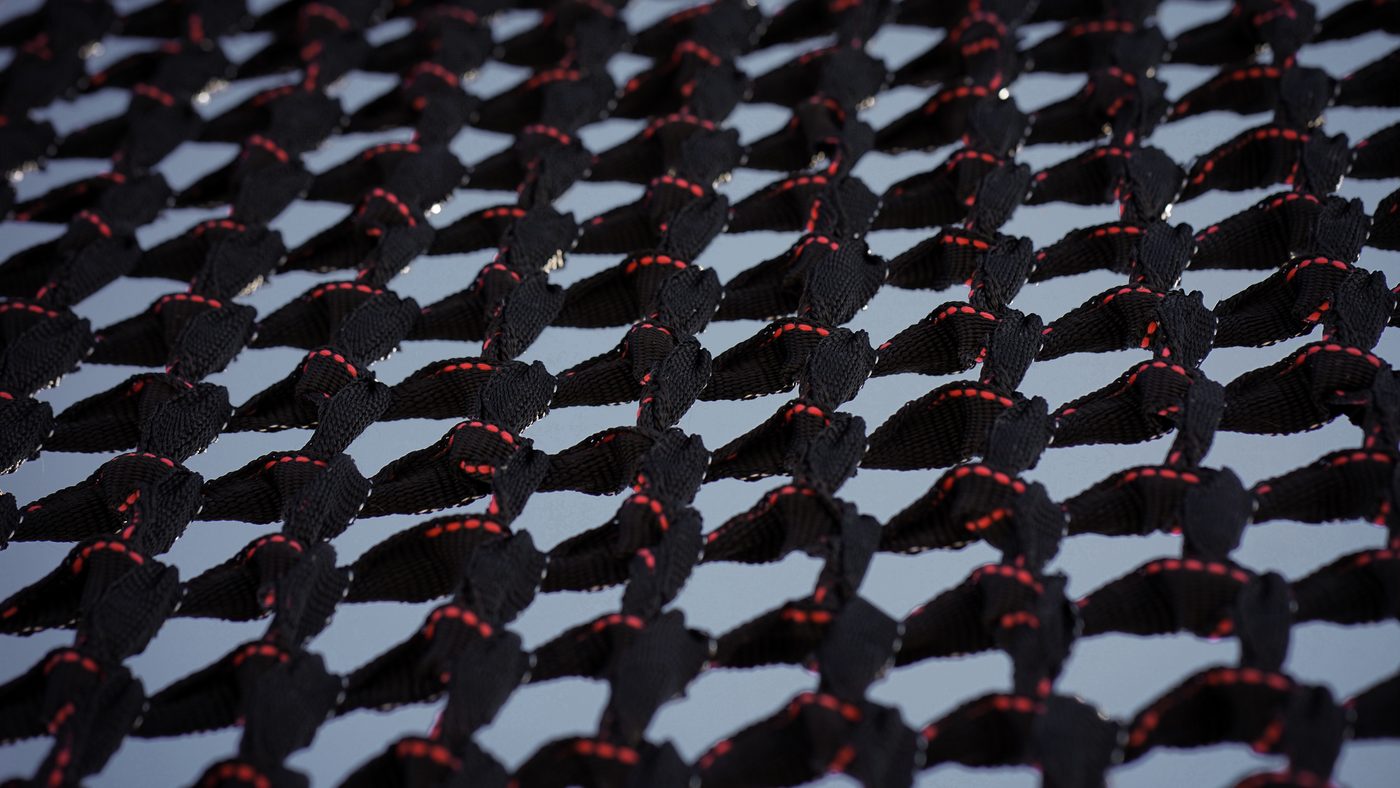
The required protection level is agreed first, and the netting, frame and foundations are specified to match it. The clearance between the net and the asset allows for how far the net moves on impact. Double or triple net layers are common, and ballistic protection can be added where needed.
Applications
Substations, battery storage and pumping stations.
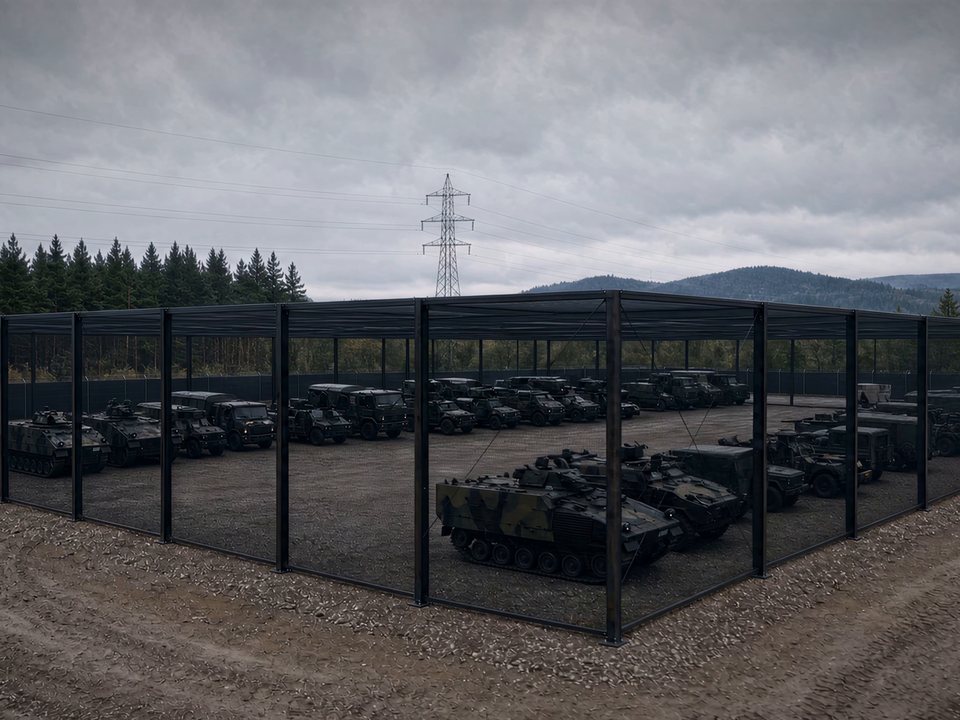
Defence industry plants, depots and vehicle parks.
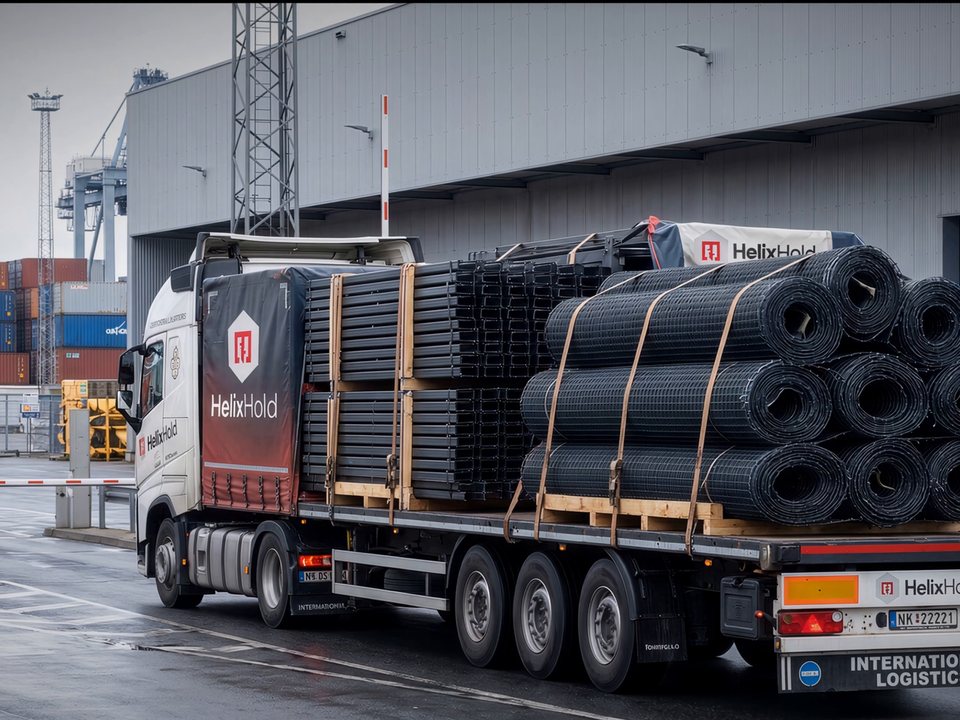
Ports, terminals, logistics yards and industrial plant.
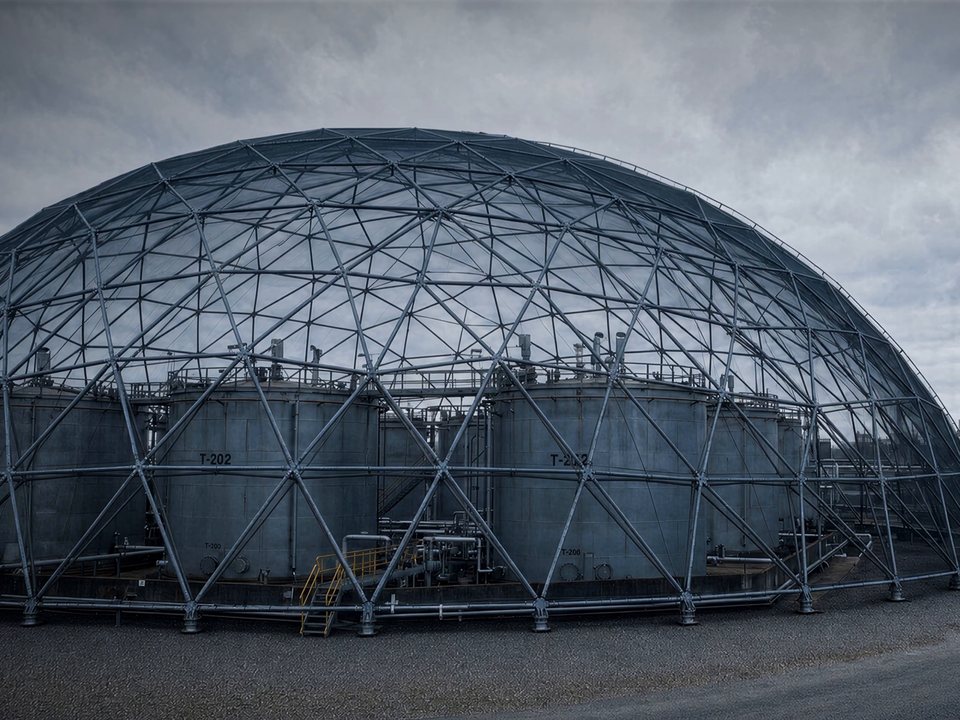
Tank farms, loading areas and exposed fuel storage.
Scope and supplier
Full delivery scope
One load-bearing system, to the Eurocodes or national standards.
Foundations with connection points for the frame.
Frame and connections, designed for the site and the asset.
Specified for the agreed drone threat, with spare nets as needed.
Agreed per project
Paalupiste designs, manufactures and installs foundations and steel structures. Projects have been delivered across Europe and in the US.
Questions
 Real test
Suitability depends on the asset, the drone threat, the space around it and the ground conditions. A general description of the site is enough to discuss the protection and foundation options.
Yes. Where shallow bedrock or buried services prevent piling, the frame can stand on concrete counterweights. Where piles can be used, installation is usually simpler and more efficient.
HelixHold specifies the net, its fixings, the frame and the foundations together for drone impact. Buying netting alone leaves the frame, the connections and the foundations to be solved separately.
No. It works alongside them as a passive barrier if a drone reaches the asset.
They depend on the protected area, the protection level, the structure, the ground conditions and the installation scope. Once these are defined, we prepare a proposal with price and delivery schedule.
With a staged installation, the foundations can be scheduled first.
It depends on the site and the size of the structure. With the frame and netting already manufactured and the foundations in place, the work starts far ahead of a project that begins from zero.
The net panels can be replaced. The delivery can include spare nets, so the protection can be restored quickly after an impact.
A general description of the asset, its approximate size and the timing is enough to start. The drone threat can be included if it is already known. The detailed requirements are worked through together.
The form and email are suitable only for a general, non-sensitive introduction. Drawings, layouts and detailed asset information are shared only through a secure channel agreed in advance.
Structures are designed to the Eurocodes or the applicable national standards.
HelixHold can be designed for UAS Group 3-4 impact and, in special configurations, Group 5 threats, as classified by the US Department of Defense. Group 3 includes one-way attack (OWA) drones such as the Shahed 136. The classification criteria and design assumptions are discussed in confidence for each project. Delivered projects are confidential and are not published.
Contact
Find out whether HelixHold suits the site and how a project would proceed. Leave an email address or phone number. A general description of the asset is enough to start.
Your enquiry has been received. We will contact you by email or phone to discuss the site.
Before sending drawings or sensitive details, please wait until we have agreed a secure channel.
Your enquiry could not be sent. The details remain in the form. Try again, or continue by email or phone using the options below.
You can call +358 19 523 2312. Please keep ordinary email enquiries general and leave out sensitive site details.
Further reading
We use cookies to measure visits (Google Analytics) and to identify the companies that visit this site (Apollo.io). They are only used if you accept.